Luxury Clothes Market Analysis: 2026 to 2033
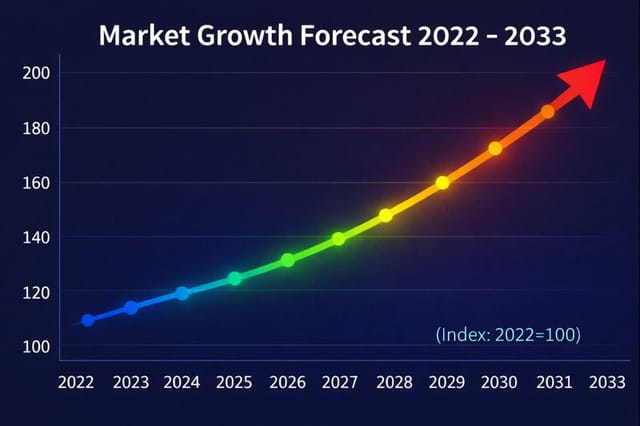
Luxury Clothes Market Size And Forecast
The luxury clothes market was valued at approximately USD 310 billion in 2024 and is anticipated to reach around USD 560 billion by 2033, growing at a compound annual growth rate (CAGR) of 6.1% from 2025 to 2033.
The luxury clothes market represents one of the most prestigious and dynamic segments of the global fashion industry, encompassing high-end apparel from renowned fashion houses and designer brands that command premium pricing through exceptional craftsmanship, exclusive designs, and powerful brand heritage. This market caters to affluent consumers seeking not merely clothing but status symbols, artistic expression, and investment pieces that reflect personal identity and social standing.
The global luxury clothes market is positioned for substantial growth from 2026 to 2033, driven by rising wealth accumulation in emerging economies, expanding upper-middle-class populations, increasing brand consciousness among younger consumers, and the resurgence of experiential luxury following pandemic-related disruptions. The market encompasses ready-to-wear collections, haute couture, limited editions, and bespoke creations from heritage fashion houses and contemporary luxury brands that maintain exclusivity while adapting to evolving consumer preferences.
Market dynamics are influenced by digital transformation reshaping luxury retail, growing emphasis on sustainability and ethical production, the rise of luxury streetwear and casualization trends, and shifting consumer demographics with millennials and Gen Z emerging as significant luxury purchasers. The sector faces challenges including counterfeiting concerns, maintaining brand exclusivity amid accessibility pressures, and balancing heritage with innovation. However, strategic investments in digital channels, personalization capabilities, sustainability initiatives, and experiential retail concepts continue to drive market expansion and brand relevance.
Download Full Sample Copy of Report @
https://datahorizzonresearch.com/request-sample-pdf/luxury-clothes-market-53600
Impact of Changing Trends in the Luxury Clothes Market
The luxury fashion landscape is experiencing transformative change as traditional paradigms give way to new consumer expectations and market realities. Digital natives are redefining luxury consumption, seeking authentic brand stories, seamless omnichannel experiences, and social media-worthy purchases that generate cultural capital. This generational shift compels luxury brands to balance their heritage appeal with contemporary relevance, creating collections that honor legacy while embracing modern aesthetics and values.
Sustainability has evolved from peripheral concern to central business imperative within luxury fashion. Affluent consumers increasingly scrutinize production practices, material sourcing, and environmental impact, expecting luxury brands to lead in responsible fashion. This consciousness drives investments in sustainable materials including organic fabrics, recycled fibers, and innovative alternatives like mushroom leather and lab-grown silk. Brands are embracing circular economy principles through resale programs, repair services, and rental platforms that extend product lifecycles while maintaining luxury positioning. Transparency in supply chains and ethical labor practices have become competitive differentiators rather than optional considerations.
The democratization of luxury through accessible luxury segments and collaborations with mass-market brands creates both opportunities and risks. Limited-edition collaborations with streetwear brands, celebrities, and artists generate excitement and attract younger consumers while expanding brand reach beyond traditional luxury clientele. However, these strategies require careful execution to avoid diluting brand equity and exclusivity that underpin luxury positioning. Successful brands navigate this tension by maintaining core luxury offerings while creating strategic access points that introduce new consumers to their brand universe.
Digital transformation is revolutionizing luxury retail experiences. E-commerce platforms, virtual showrooms, augmented reality fitting rooms, and live-stream shopping events enable luxury brands to reach global audiences while maintaining personalized service standards. Social media platforms, particularly Instagram, TikTok, and WeChat, have become critical marketing channels where brand narratives unfold and influencer partnerships drive purchase decisions. Direct-to-consumer strategies strengthen customer relationships and data insights, enabling personalization that enhances brand loyalty and lifetime customer value.
Experiential luxury is gaining prominence as consumers seek memorable brand interactions beyond product acquisition. Flagship stores transform into cultural destinations featuring art installations, cafes, exhibition spaces, and exclusive events that create emotional connections. Fashion shows evolve into immersive spectacles blending entertainment, technology, and storytelling. These experiences reinforce brand desirability and justify premium pricing by creating intangible value that transcends functional product attributes.
Understanding the Segmentation of the Luxury Clothes Market
The luxury clothes market encompasses diverse segments based on multiple dimensions:
- By Product Type:
- Men’s Wear,
- Women’s Wear,
- Kids’ Wear
- By Style:
- Casual Wear,
- Formal Wear,
- Outerwear
- By Distribution Channel:
- Online Retail,
- Offline Retail (Luxury Boutiques, Department Stores, Specialty Stores)
- By Price Range:
- Premium,
- Ultra-Premium
- By Fabric Type:
- Natural Fibers (Silk, Wool, Cotton),
- Synthetic Fibers
- By Consumer Age Group:
- Millennials,
- Generation X,
- Baby Boomers
- By Gender:
- Male,
- Female
- By End Use:
- Personal Use,
- Corporate/Professional Use
- By Sales Channel:
- Direct to Consumer (D2C),
- Multi-brand Retailers
- By Region:
- North America,
- Europe,
- Asia Pacific,
- Latin America,
- Middle East & Africa
𝐀𝐬𝐤 𝐟𝐨𝐫 𝐚 𝐝𝐢𝐬𝐜𝐨𝐮𝐧𝐭:


Segmentation Analysis
Product type segmentation reveals evolving preferences toward casualization of luxury fashion. While evening wear and formal attire remain important categories for special occasions, casual wear and luxury sportswear are experiencing rapid growth as work-from-home trends and lifestyle shifts make comfort and versatility more valued. Luxury streetwear occupies an increasingly prominent position, with heritage brands collaborating with streetwear designers to capture younger demographics who view casual luxury as authentic self-expression rather than traditional status symbols.
Gender segmentation shows women's luxury clothing maintaining market dominance due to higher purchase frequency, greater wardrobe diversity, and stronger emotional engagement with fashion. However, men's luxury clothing is growing rapidly as fashion consciousness among men increases and brands expand their menswear offerings. Unisex collections reflect contemporary attitudes toward gender fluidity and inclusivity, appealing particularly to younger consumers who reject traditional gender categorizations in fashion.
Price range segmentation accommodates diverse luxury consumer segments. Affordable luxury or ""masstige"" brands provide entry points for aspirational consumers, often serving as gateways to premium luxury brands as purchasing power increases. Premium luxury encompasses established fashion houses offering ready-to-wear collections at elevated price points justified by superior materials, craftsmanship, and brand heritage. Haute couture represents the pinnacle of luxury, with bespoke creations and limited collections commanding extraordinary prices while serving as brand prestige builders and creative laboratories.
Distribution channel dynamics are shifting dramatically as online luxury retail gains acceptance among previously store-loyal consumers. Mono-brand boutiques maintain importance for flagship experiences and relationship building, while multi-brand luxury retailers like Net-a-Porter and Farfetch provide curated selections and discovery opportunities. Department stores face pressure to evolve their luxury offerings as consumers migrate online and seek more engaging retail experiences. Successful brands orchestrate cohesive omnichannel strategies that seamlessly integrate physical and digital touchpoints.
Luxury Clothes Market Segmentation by Region
The luxury clothes market exhibits distinct regional characteristics and growth patterns:
- North America: United States, Canada
- Europe: United Kingdom, Germany, France, Spain, Italy, Rest of Europe
- Asia-Pacific: China, India, Japan, South Korea, Rest of APAC
- Latin America: Brazil, Mexico, Rest of LATAM
- Middle East & Africa: UAE, Saudi Arabia, South Africa, Rest of MEA
Regional Analysis
North America represents a mature and sophisticated luxury fashion market characterized by high per-capita luxury spending and strong brand loyalty. The United States dominates regional consumption, with major metropolitan areas like New York, Los Angeles, and Miami serving as luxury fashion hubs. American consumers demonstrate openness to both heritage European brands and contemporary American luxury labels, with increasing appreciation for sustainable and locally-produced luxury items. The market shows strength in casual luxury and sportswear segments reflecting American lifestyle preferences.
Europe maintains its position as the traditional heartland of luxury fashion, housing iconic fashion houses in Paris, Milan, London, and other cultural capitals. France and Italy lead in luxury clothing production and consumption, with deep cultural appreciation for craftsmanship, heritage, and design excellence. European consumers exhibit sophisticated taste and willingness to invest in timeless pieces over trend-driven fashion. The region shows particular strength in haute couture and premium luxury segments, though economic variations across countries create diverse market dynamics.
Asia-Pacific emerges as the fastest-growing and increasingly dominant luxury fashion market, driven primarily by China's explosive luxury consumption growth. Chinese consumers, particularly millennials and Gen Z, demonstrate strong appetite for luxury brands as status symbols and self-expression vehicles. The region also benefits from growing wealth in India, expanding luxury markets in Southeast Asia, and mature but innovation-focused markets in Japan and South Korea. Digital engagement and social commerce play outsized roles in Asian luxury fashion consumption patterns.
Latin America represents an emerging luxury market with significant growth potential despite economic volatility. Brazil and Mexico lead regional luxury consumption, with affluent urban populations seeking international luxury brands and investment pieces. The market faces challenges including economic instability, currency fluctuations, and import restrictions, yet long-term prospects remain positive as wealth concentration increases and luxury retail infrastructure develops in major cities.
The Middle East and Africa region showcases distinct luxury consumption patterns, with Gulf Cooperation Council countries demonstrating exceptional per-capita luxury spending. UAE and Saudi Arabia lead regional markets, with affluent populations, strong tourism sectors, and cultural appreciation for luxury fashion driving demand. Luxury malls in Dubai and other Gulf cities rival global luxury retail destinations. South Africa represents the most developed market in Africa, while other African markets show gradual luxury penetration as economic development progresses.
Luxury Clothes Market Competitive Landscape
The luxury clothes market features intense competition among heritage fashion houses, contemporary luxury brands, and emerging designers vying for consumer attention and market share. Competition centers on brand prestige, creative direction, product quality, celebrity endorsements, social media influence, sustainability credentials, and experiential retail offerings. Consolidation through luxury conglomerates like LVMH, Kering, and Richemont creates powerful multi-brand platforms while independent brands maintain appeal through authenticity and creative freedom.
Strategic initiatives include creative director appointments that refresh brand identities, collaborations generating buzz and expanding audiences, sustainability programs enhancing brand image, digital innovations improving customer experiences, and geographic expansion into high-growth markets. Successful brands balance heritage preservation with contemporary relevance, maintaining exclusivity while strategically broadening accessibility. Investment in craftsmanship, supply chain control, and vertical integration ensures quality control while supporting brand narratives around authenticity and excellence.
Top 10 Companies in the Luxury Clothes Market:
- LVMH (Louis Vuitton, Dior, Fendi, Givenchy)
- Kering (Gucci, Saint Laurent, Balenciaga, Bottega Veneta)
- Chanel
- Hermès International
- Prada Group
- Burberry Group
- Ralph Lauren Corporation
- Giorgio Armani S.p.A.
- Versace (Capri Holdings)
- Dolce & Gabbana
Frequently Asked Questions
Q1: What factors are driving growth in the luxury clothes market?
Growth is driven by wealth creation in emerging markets, particularly Asia-Pacific where expanding upper-middle and affluent classes seek luxury brands as status symbols and quality investments. Younger consumers including millennials and Gen Z are entering luxury markets earlier than previous generations, influenced by social media, celebrity culture, and desire for self-expression through fashion. Digital transformation enables luxury brands to reach global audiences while maintaining personalized experiences, reducing friction in luxury purchasing. Additionally, the growing secondary luxury market through resale and rental platforms introduces new consumers to luxury brands while extending product lifecycles.
Q2: How is sustainability impacting the luxury clothes market?
Sustainability has become a central concern shaping brand strategies and consumer preferences. Luxury brands are investing in sustainable materials, transparent supply chains, ethical production practices, and circular economy models including resale, rental, and repair services. Consumers increasingly expect luxury brands to lead in environmental and social responsibility, viewing sustainability as compatible with rather than contradictory to luxury positioning. Brands that authentically embrace sustainability enhance reputation and appeal to values-driven consumers, while those perceived as greenwashing risk backlash. Sustainability initiatives also drive innovation in materials and processes, creating competitive advantages.
Q3: What role does digital transformation play in luxury fashion?
Digital transformation is revolutionizing how luxury brands engage consumers, sell products, and build brand equity. E-commerce platforms enable global reach while maintaining luxury service standards through features like virtual stylists and augmented reality try-ons. Social media serves as critical marketing and storytelling channels where brands create aspirational content and influencer partnerships drive purchase decisions. Data analytics enable personalization and targeted marketing, while digital tools support design processes and supply chain optimization. Successful luxury brands integrate digital seamlessly with physical retail, creating cohesive omnichannel experiences that meet modern consumer expectations.
Q4: Which geographic regions show the strongest growth potential?
Asia-Pacific, particularly China, demonstrates the strongest growth potential with rapidly expanding affluent populations, strong brand consciousness among young consumers, and increasing domestic luxury consumption reducing reliance on travel retail. India represents another high-potential market as economic growth creates substantial middle and upper-class populations. Middle Eastern markets, especially UAE and Saudi Arabia, continue showing strong luxury appetite supported by high per-capita incomes. While North America and Europe represent mature markets, they remain important for luxury brands and continue growing through premiumization and sustainability-driven demand.
Q5: How do luxury brands maintain exclusivity while expanding market reach?
Luxury brands navigate the tension between exclusivity and accessibility through tiered product strategies offering different entry points while protecting core prestige. Limited-edition collaborations and capsule collections create excitement and attract new consumers without diluting main line exclusivity. Strategic pricing maintains aspirational positioning while accessible luxury lines serve entry-level consumers. Brands carefully manage distribution, limiting availability through selective retail partnerships and mono-brand boutiques. Experiential marketing and personalization create perceived exclusivity even as brands expand. Digital platforms enable broader reach while maintaining luxury service standards through virtual consultations and premium online experiences.
Contact Us:
Mr. Ajay N
US: +1 (970)-633-3460
Website: https://datahorizzonresearch.com/